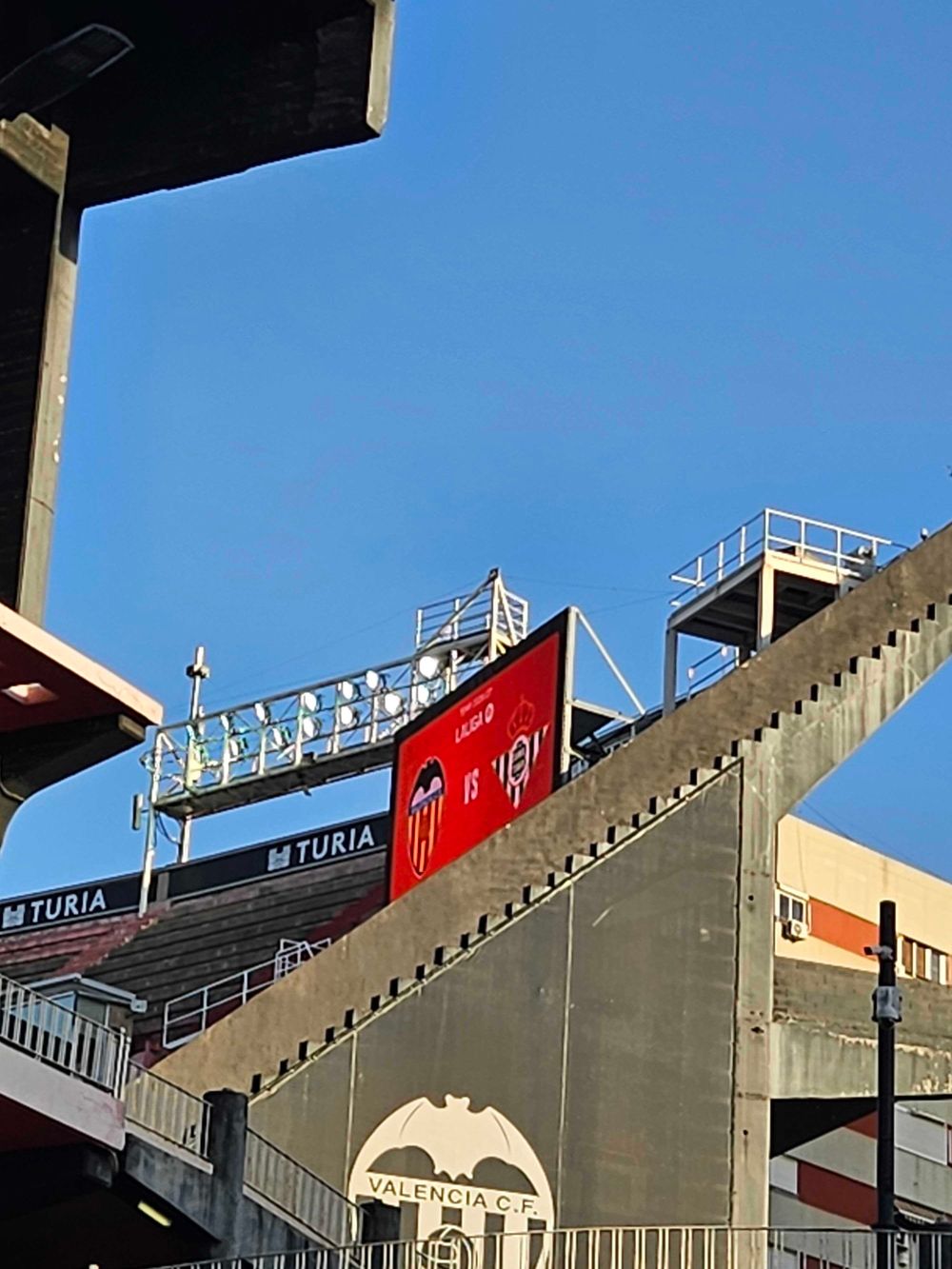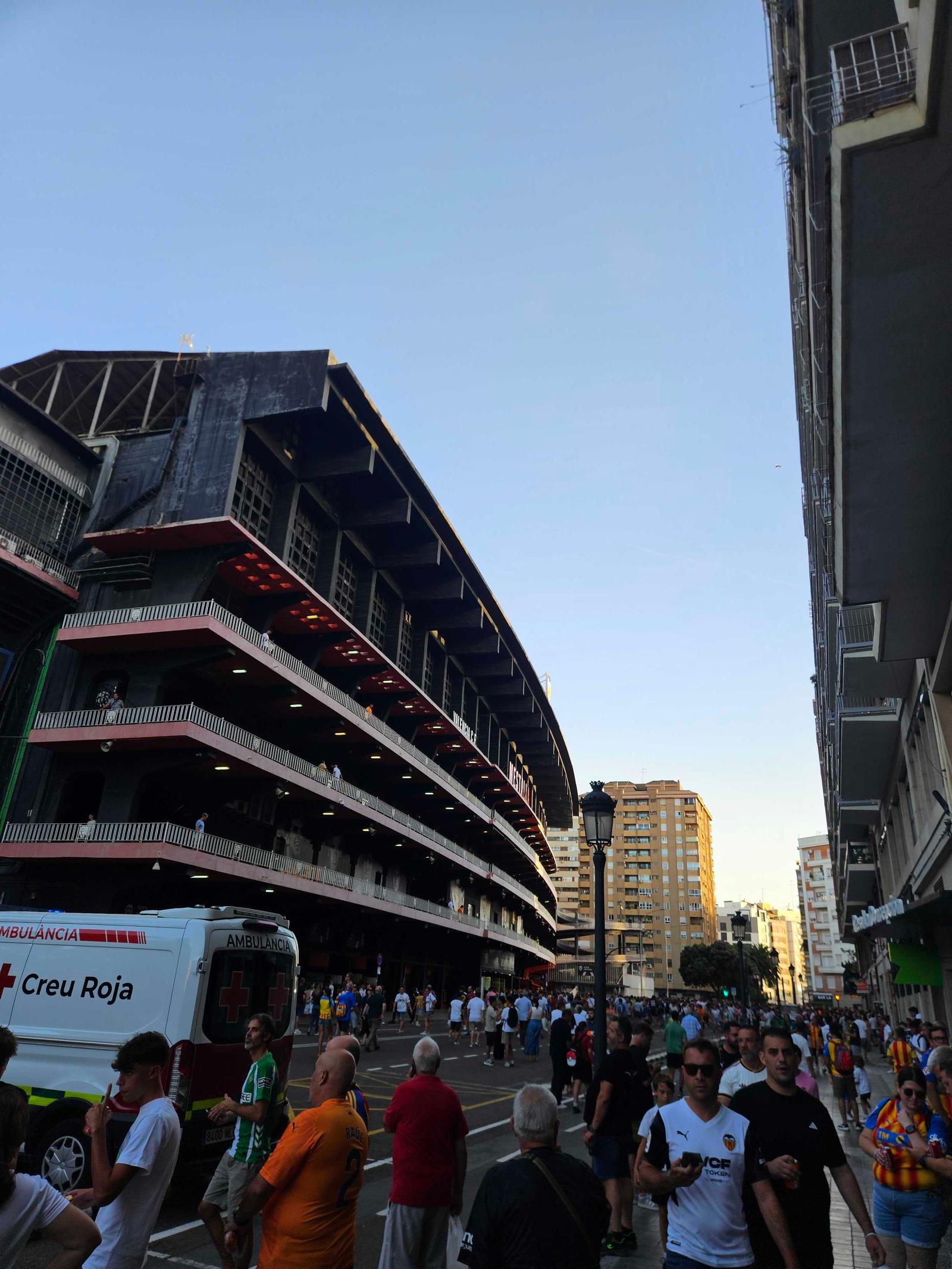

Levante are thriving while Valencia risk leaving their soul in the ruins of Mestalla
31.08.26, 12:54 Updated 31.08.26, 12:59 6 Minute Read

Rahul Lakhani
Valencia CF are the biggest club in both the city of Valencia and the wider region. They have the biggest ground, largest fanbase, most trophies and biggest international profile.
However, under the ownership of Peter Lim, they do not act like it. Their regional rivals Villarreal have qualified for the Champions League in back-to-back seasons, and finished third.
That is where Valencia should aspire to be.
City rivals Levante finished below Valencia last season, and lost both derby matches. Las Granotas narrowly avoided relegation with a remarkable escape, but despite finishing seven points and seven places behind their neighbours, they are by far the happier fanbase.
I have been to every game at both Mestalla and Estadi Ciutat de València so far this season, and despite Valencia bidding an emotional farewell to their iconic ground, Levante has been the much more enjoyable experience.
This weekend almost felt like a true turning point over who the dominant force of Valencian football is. On Saturday, I watched Levante thrash Real Betis, a team in the Champions League. A day later, Valencia were easily beaten by newly promoted Deportivo A Coruña.

How Levante thrashed Real Betis
In the city of Valencia, the dominant force in terms of fanbase is Valencia CF. They’re widely supported across the region, and Mestalla serves as both a tourist attraction and a heritage site.
That is everywhere, except for the Barrio of Orriols, near where I used to live in Benimaclet. It remains one of my favourite parts of the city, somewhat off the beaten tourist track, but with outstanding local bars, cafes and restaurants. This is a neighbourhood that is firmly behind Levante.
I headed back to this neighbourhood to see Levante take on Real Betis. Betis were yet to concede this season, having won at Mestalla just days before, whilst Levante fans were far from optimistic that their heroics last season could be repeated after the departure of Carlos Espi to Real Madrid.
With Los Béticos bringing their fans in numbers, the expectation was that, as has been the case since 2020, Betis would secure more away points without too much hassle at Levante.
It was easy to underestimate Levante. That is becoming increasingly dangerous.
They went unbeaten in their last seven home games, with five consecutive victories, to secure survival last season. Despite losing Espi, Kevin Arriaga and even Betis loanee Iker Losada, the spirit of their survival remained.
They have one man to thank: Luis Castro.
Castro was the brains behind Levante’s great escape. His arrival mid-season saw him win 3-0 away at Sevilla in his first game. It was Castro who brought Espi into the team, dropping Karl Etta Eyong for an unknown academy graduate.
Building upon the attacking flair Julian Calero left behind, Castro found balance, which did not limit Levante going forward, but also gave them a solid base at the back.
The final home games of last season saw Levante beat relegation rivals Sevilla and Mallorca, and beating the latter proved to be decisive as the Island side went down.
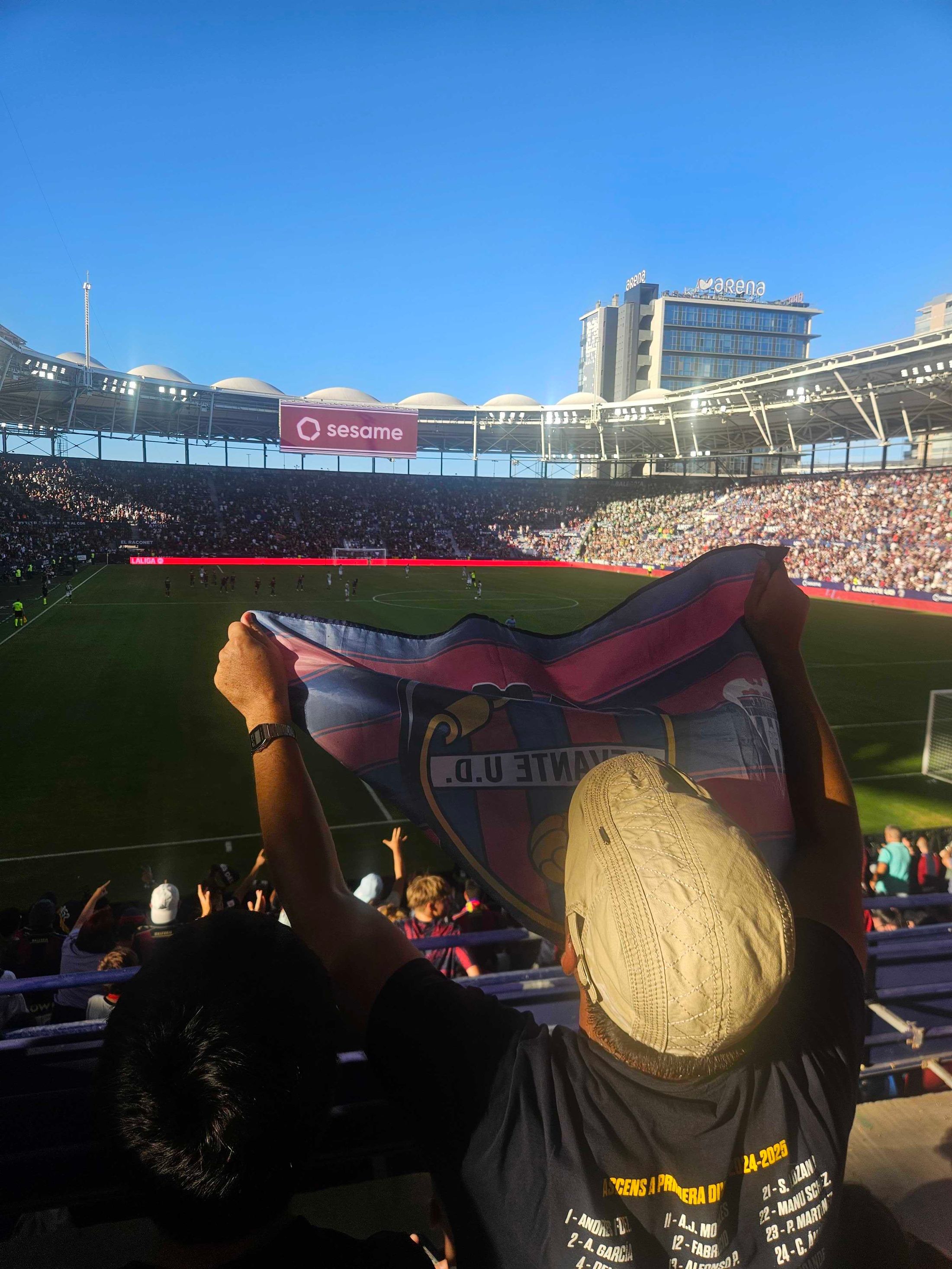
The atmosphere at those matches was electric, and this surge of energy had not departed Orriols as Betis arrived as the first visitors this season.
Castro’s team attacked and attacked, and Adrian De La Fuente gave them the breakthrough with a header, with new signing Enzo Bardeli scoring an audacious chip to restore the lead.
With the scores level at half-time, there may have been a sense of unease that Betis would eventually win. When Troy Parrott was presented with a clear-headed chance, the back of the net was expected to bulge.
It did not. Levante had been handed a lifeline, and captain Roger Brugué took full advantage.
A surge of attacks ripped the Betis defence to shreds, and three second-half goals put Manuel Pellegrini’s side to the sword. There was nothing but pure elation in the crowd.
The old lady next to me was in tears. Scarves and flags were raised, and the players shared the energy with the fans at full time.
Everything I saw at Levante is everything that Valencia is currently lacking.
“It was easy to underestimate Levante. That is becoming increasingly dangerous.”

Valencia's Mestalla misery
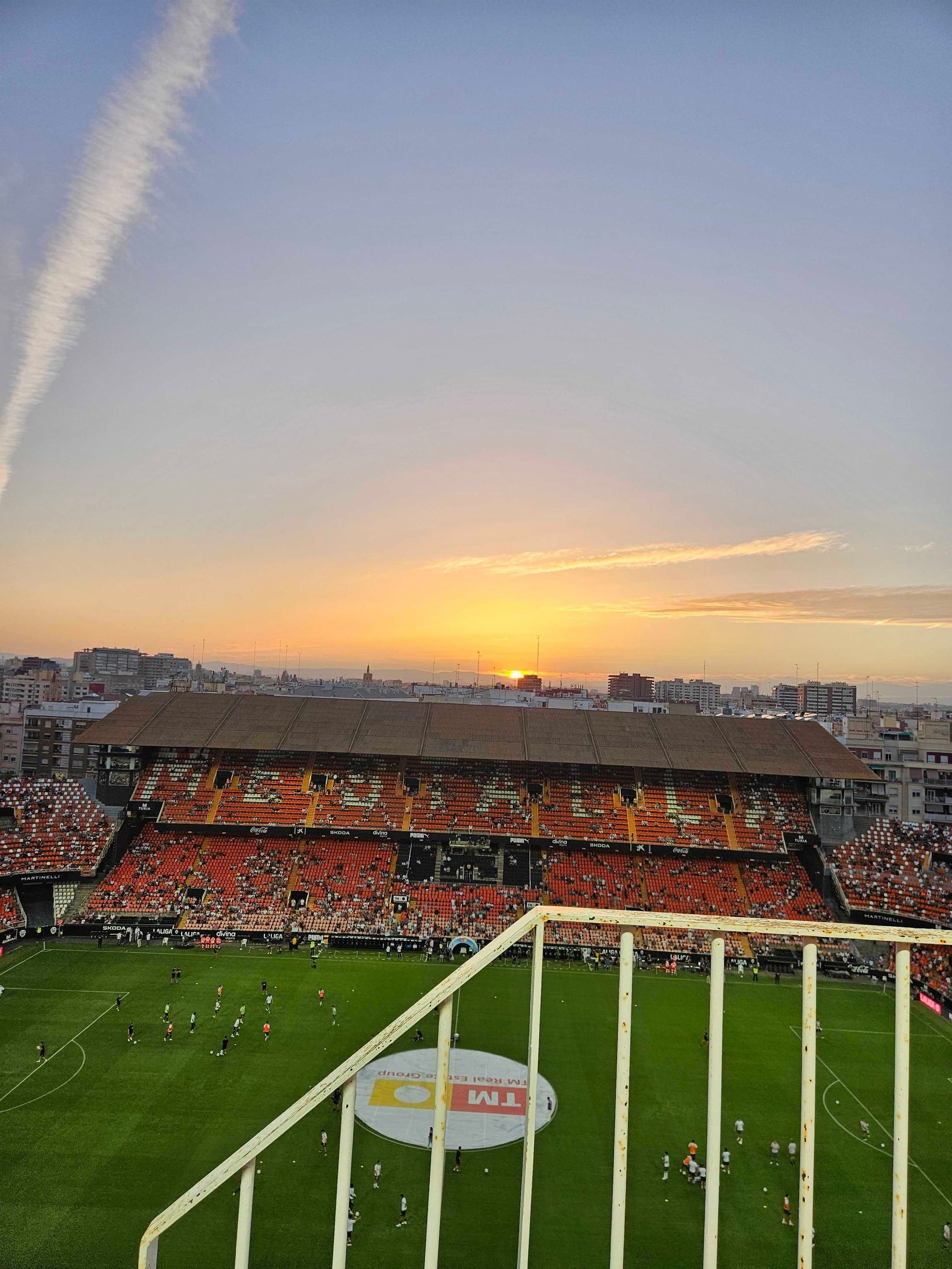
I saw seven goals in 90 minutes at Levante. In three hours at Mestalla this week, I have seen one goal: Pablo Garcia’s late winner for Betis.
Nothing could sum up the difference in energy, as well as tactical approach, between Valencia and Levante right now.
Levante have won their last six in a row at home. To find Valencia’s last six wins at Mestalla, you have to go all the way back to November last year, when they beat Levante in the Valencian derby.
Beating Betis was one thing, but scoring five was a remarkable feat for Levante. The last time Valencia scored five at Mestalla was in September 2022, against Getafe under Genaro Gattuso.
We have now reached a point where, for a neutral or a visitor to the city of Valencia, I would rather recommend they go to watch Levante than Valencia, despite this being the final season at Mestalla.
From the energy in the crowd to the performance on the pitch, it is a much more enjoyable experience at the ‘little brother’ of the city.
Is Carlos Corberán to blame?
I defended Valencia manager Carlos Corberán in recent weeks, despite fans of Los Che calling for his head after most games.
Even after the defeat to Betis, I pointed out that the quality of Valencia’s attack is so poor, that any coach would struggle at Mestalla.
This does remain true, but going to Levante reminded me of the remarkable job Luis Castro has done since his appointment. He has elevated the level of the squad he inherited, and taken a team that appeared destined for relegation to being one of the most entertaining sides in LaLiga.
Estadi Ciutat de Valencia is now a fortress, and it will be a tough place to go for any team. Meanwhile, Mestalla is a tough place for Valencia themselves to play at, with the weight of expectation from an angry fanbase, and a lot of teams will be confident in avoiding defeat there.
All of this has me ready to change my mind over Corberán. The decline of Valencia can be laid firmly at the feet of Lim and Meriton Holdings, but the importance of a coach in uplifting the entire club cannot be understated.
When Corberán first arrived, his work was not too dissimilar to what Castro has done at Levante, in saving a team which was in the bottom three when he arrived.
Now, he is a villain in his own stadium, and a change in manager could be what Valencia needs to kick-start this team into action.
That doesn't mean Corberán is solely responsible for Valencia's problems. Their attacking personnel are limited. But watching Castro extract so much from a squad with comparable limitations has made me question whether Corberán is doing enough to compensate for those weaknesses.
Are Brugué, Jon Ander Olasagasti, Thiago Fernández and Iván Romero individually superior to Valencia's attacking options? I don't think the difference in talent is anywhere near as large as the difference in output.
So how has Castro turned them into one of LaLiga’s better attacking units, at the same time as Corberan making his one of the worst?
Corberán described his side’s first-half display at Depor as the worst he has seen in his time as manager. The pressure is being ramped up on him every day. Valencia have scored just one goal in three games, which came from a defensive error.
Next season, Valencia will leave Mestalla behind. They will move into the Nou Mestalla, a stadium that has none of the history, character or emotional attachment of the ground they are abandoning. A ground which very few supporters want to move to.
That would be difficult enough if Valencia were giving their supporters something exciting to replace it.
Right now, they are not.
Meanwhile, just a few kilometres away, Levante have built something that feels increasingly rare in modern football: a team that excites its supporters, a manager who has elevated his players, and a stadium that feels like the beating heart of its neighbourhood.
Valencia are still the biggest club and fanbase in the city, but this season was meant to be a celebration of Mestalla. If they cannot improve on the pitch, they risk losing something far more important than a stadium when the wrecking ball eventually arrives: the soul of Valencia CF.
Related Topics
Rahul Lakhani